
AI in Photography: How Artificial Intelligence Is Transforming Modern Photo Creation
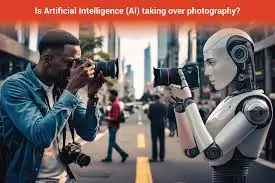
Artificial intelligence is revolutionizing almost every creative industry—and photography is no exception. From AI-powered cameras to smart editing tools, AI in photography is reshaping how images are captured, edited, and shared. Whether you’re a professional photographer or a hobbyist, understanding AI’s impact is essential to staying ahead of the curve.
How AI Improves Camera Performance
1. AI Autofocus and Subject Tracking
Modern cameras use AI autofocus to detect eyes, faces, animals, vehicles, and even specific subjects with incredible precision.
This ensures-
-Sharp images
-Better tracking of moving sunjects
-Faster more reliable focus
2. Scene Recognition
AI can quickly identify whether you’re taking a portrait, landscape, night scene, or food shot. It adjusts exposure, colors, and contrast to fit the scene. This lets photographers focus more on composition and storytelling, rather than on technical details.
3. Computational Photography
Techniques like HDR blending, night mode, and image stacking use AI. AI merges multiple frames into one image, improving detail, reducing noise, and balancing lighting. This often beats what a single shot could capture
Post-processing is where AI really excels, saving time without cutting quality
1. Automated Enhancements
AI tools can immediately fix exposure, white balance, sharpness, and color tones. What used to take minutes or even hours can now be done in seconds, which is especially useful for busy events like weddings.
2. Intelligent Retouching
Skin retouching, background cleanup, object removal, and sky replacement are now handled by AI. These tools grasp the context of the image, ensuring that edits appear natural.
3. Style Matching & Presets
AI can review your editing style and apply it consistently across many images. This is crucial for photographers looking to build a strong, recognizable visual identity without doing repetitive manual work.
AI for Image Management & Workflow
As photo libraries expand, organizing them can get tough. AI makes this easier.
-Automatic tagging and keywording based on faces, locations, and objects
– Smart search, allowing photographers to find images by describing their contents
– Culling assistance, helping select the best shots based on sharpness, expressions, and composition
These features cut down the time spent on the computer, letting photographers concentrate on creativity and client interactions.
Creative Possibilities with AI
Beyond efficiency, AI is creating new opportunities for creativity.
1. AI-Generated Imagery
Photographers can now mix real photos with AI-created elements, like backgrounds, textures, or concepts that would be hard or costly to shoot traditionally.
2. Concept Visualization
AI can help visualize shoots by generating mood boards, lighting ideas, and compositions. This simplifies planning for complex projects and helps communicate ideas to clients.
The Future of AI in Photography
AI will keep developing, becoming more intuitive and personalized. Cameras will better understand your intent, editing tools will act like creative partners, and photographers will gain even more control over time, quality, and storytelling.
Photographers who will succeed are those who embrace AI while remaining grounded in creativity, emotion, and narrative—elements that no algorithm can truly replicate.
Ethical Concerns and Challenges
While AI in photography offers many benefits, it also raises important questions.
-How much AI editing is too much?
-Who owns AI-generated or AI-enhanced images?
-Can relying too much on AI reduce traditional photography skills?
Using AI responsibly means balancing technology with creativity and ethical judgment.
Final Thoughts
AI in photography is reshaping how photographers capture, edit, and deliver images with greater speed and creativity. From AI photo editing to intelligent camera technology, artificial intelligence photography enhances modern photography workflows without replacing human vision. When used thoughtfully, AI tools for photographers become powerful partners in creating meaningful, high-quality visual stories.
When used wisely, AI doesn’t make photography less human. It makes the person behind the camera more powerful.